
The journey of Afanasy Nikitin “beyond three seas”, filmed in the botanical garden of Tver State University.
Afanasy is a Christian male name of Greek origin. It is derived from the word “thanatos”, meaning “death”, with the addition of the negative prefix “a”, meaning “without-”/“not-”.

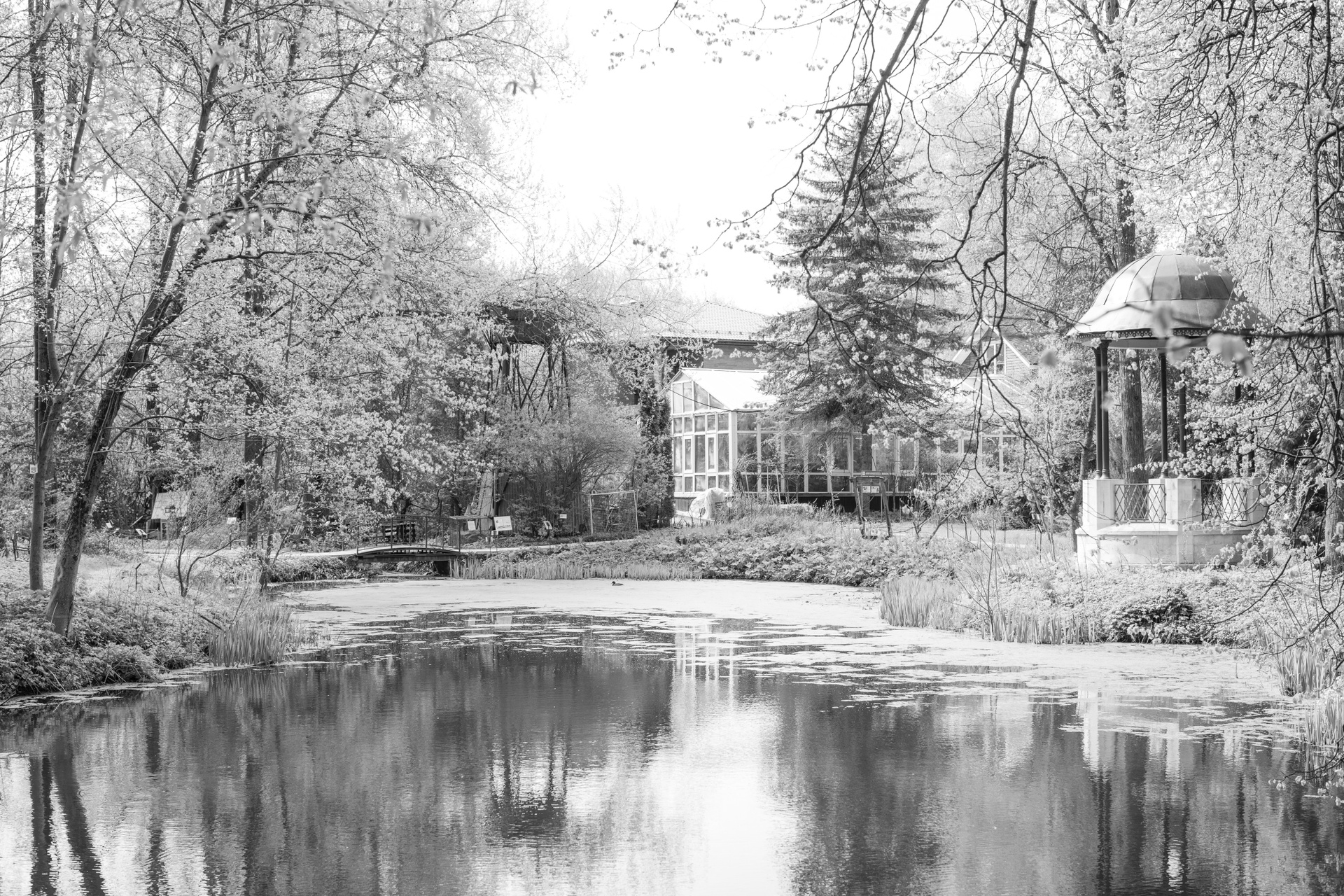
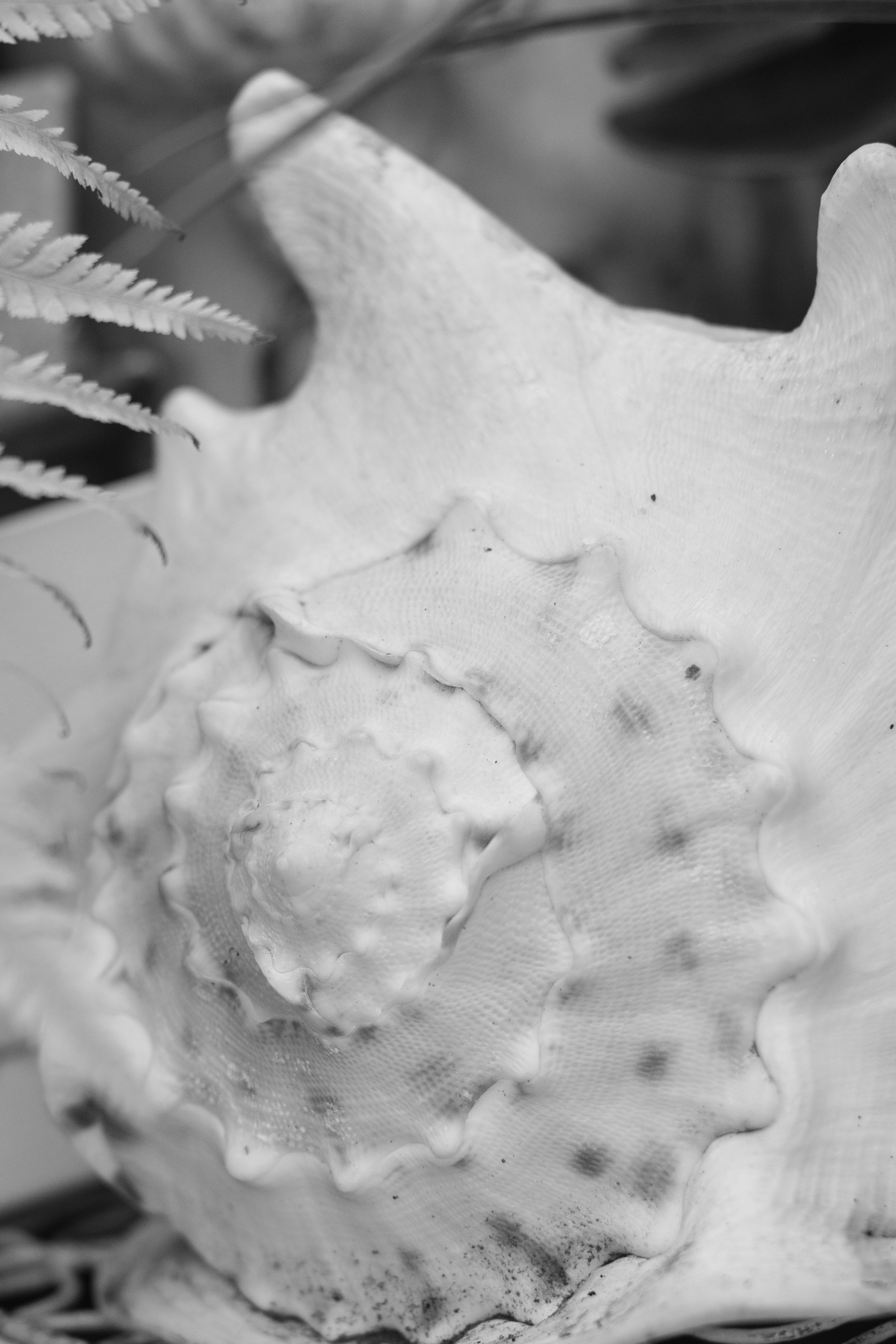


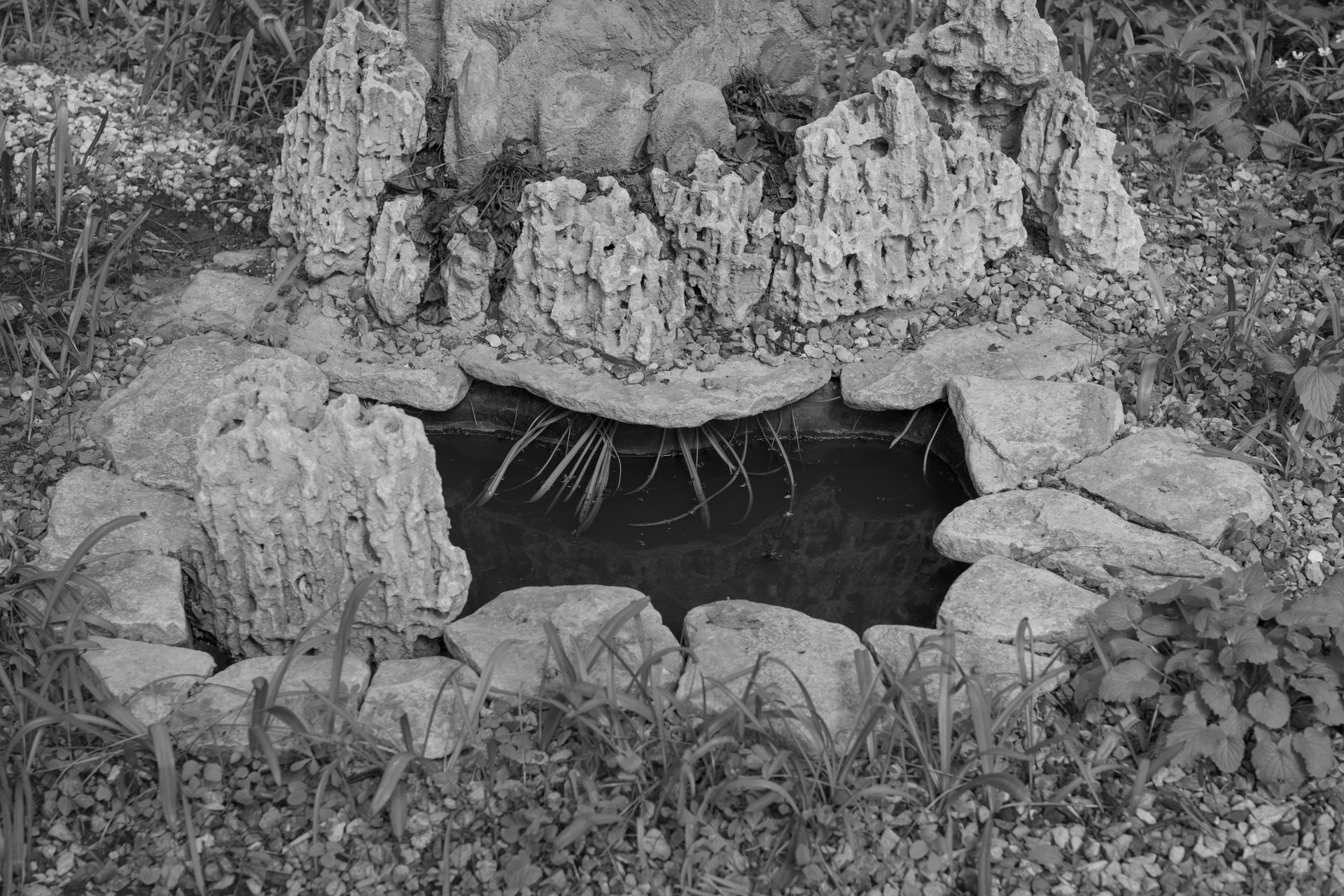


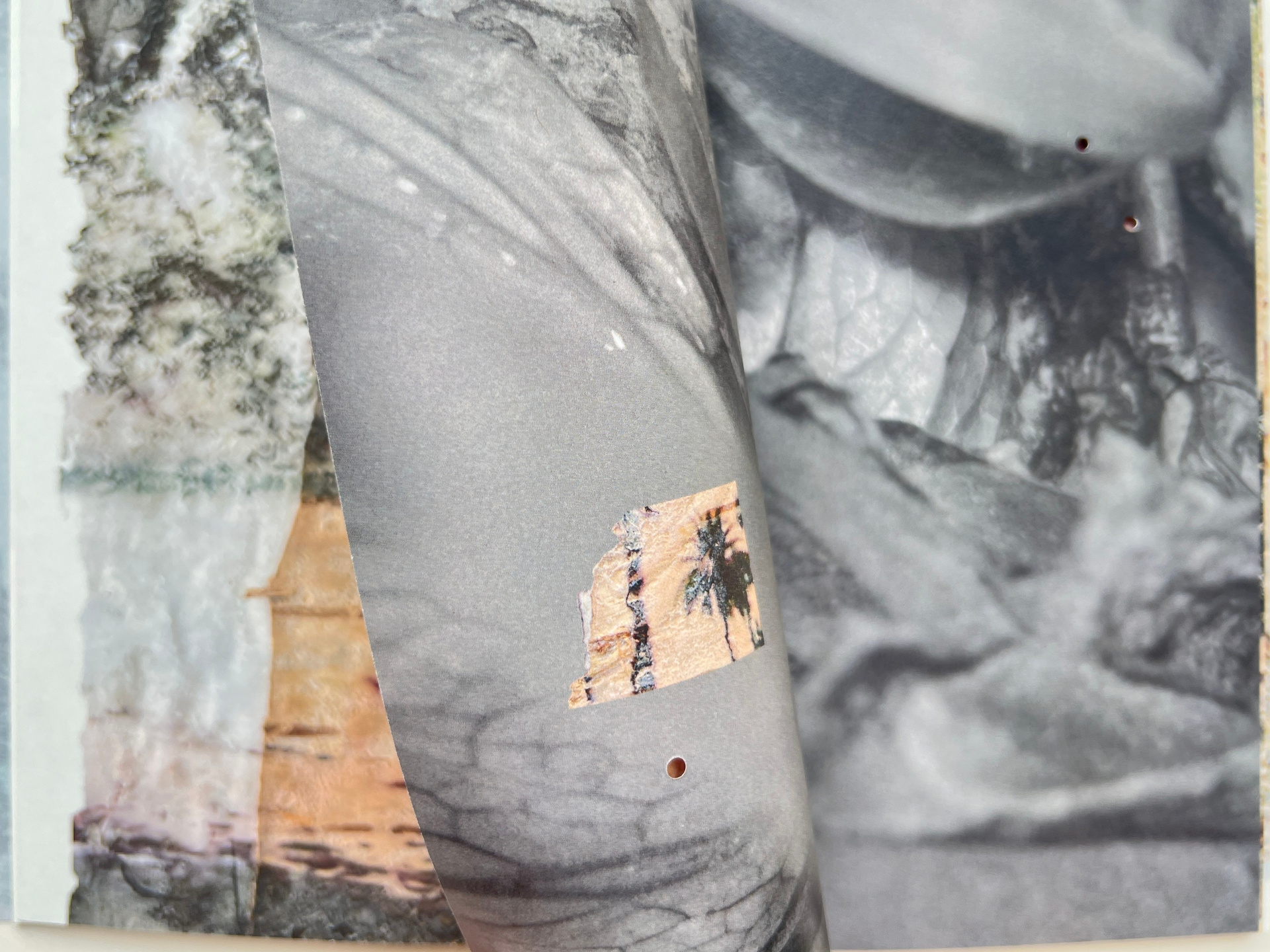
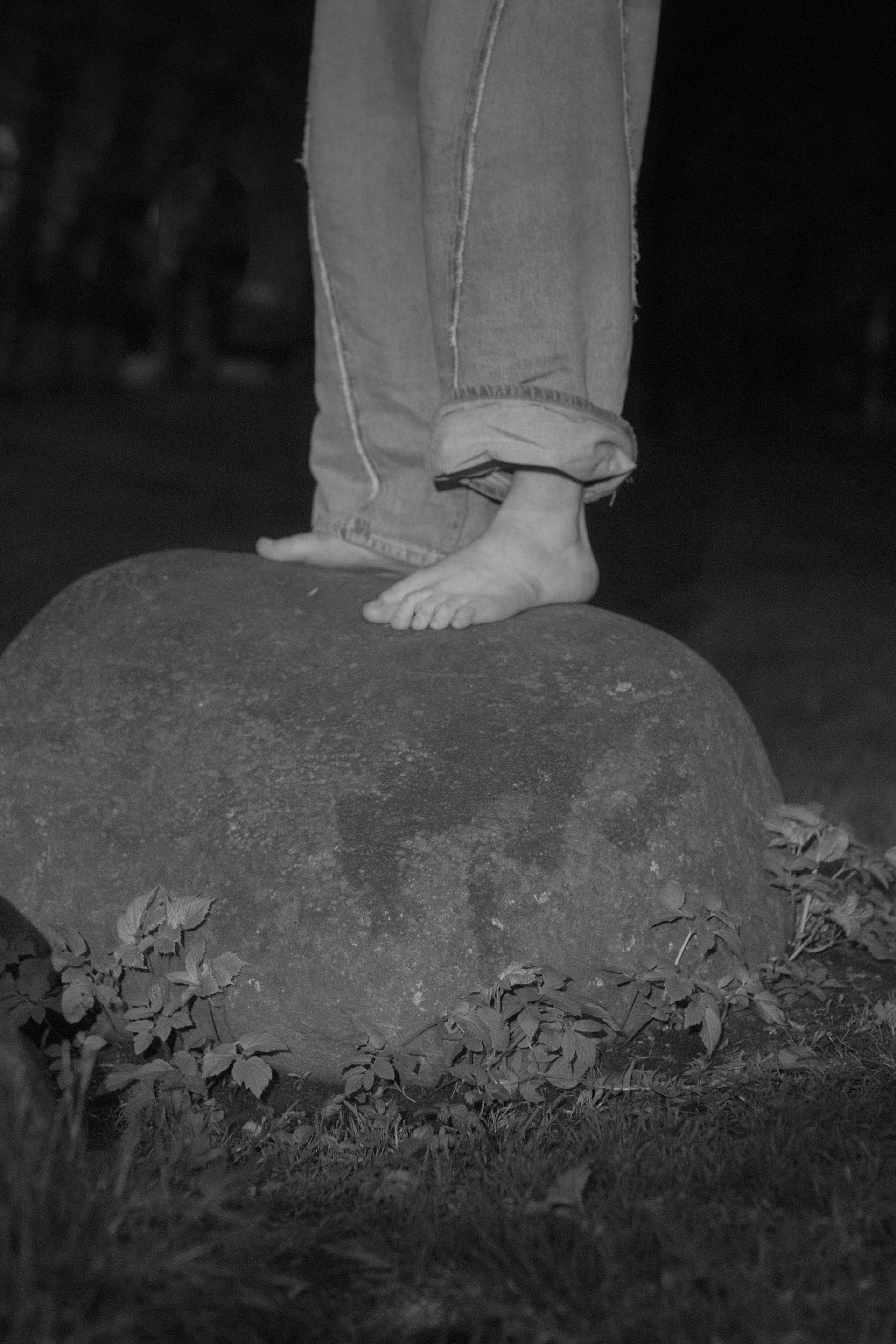
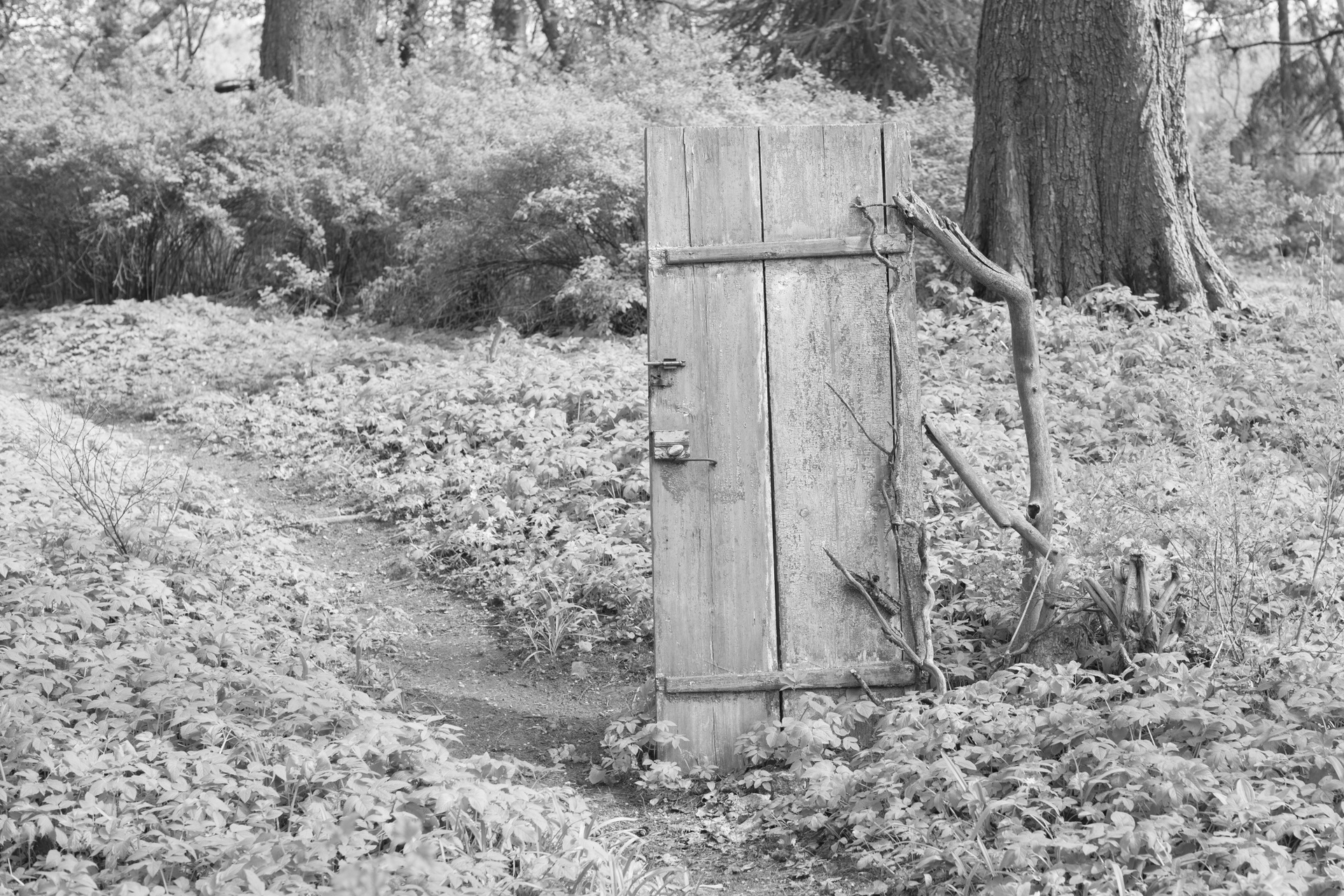

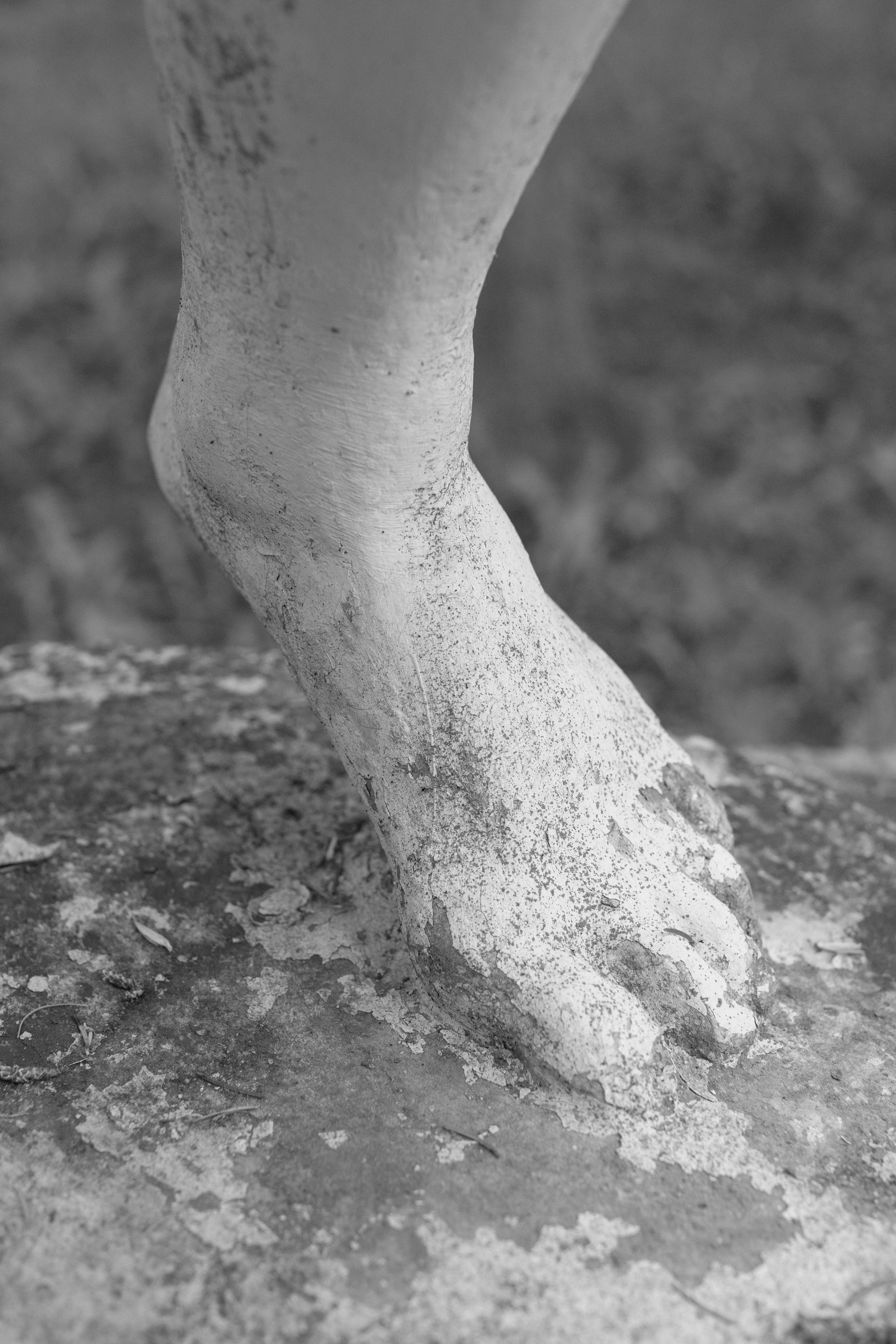

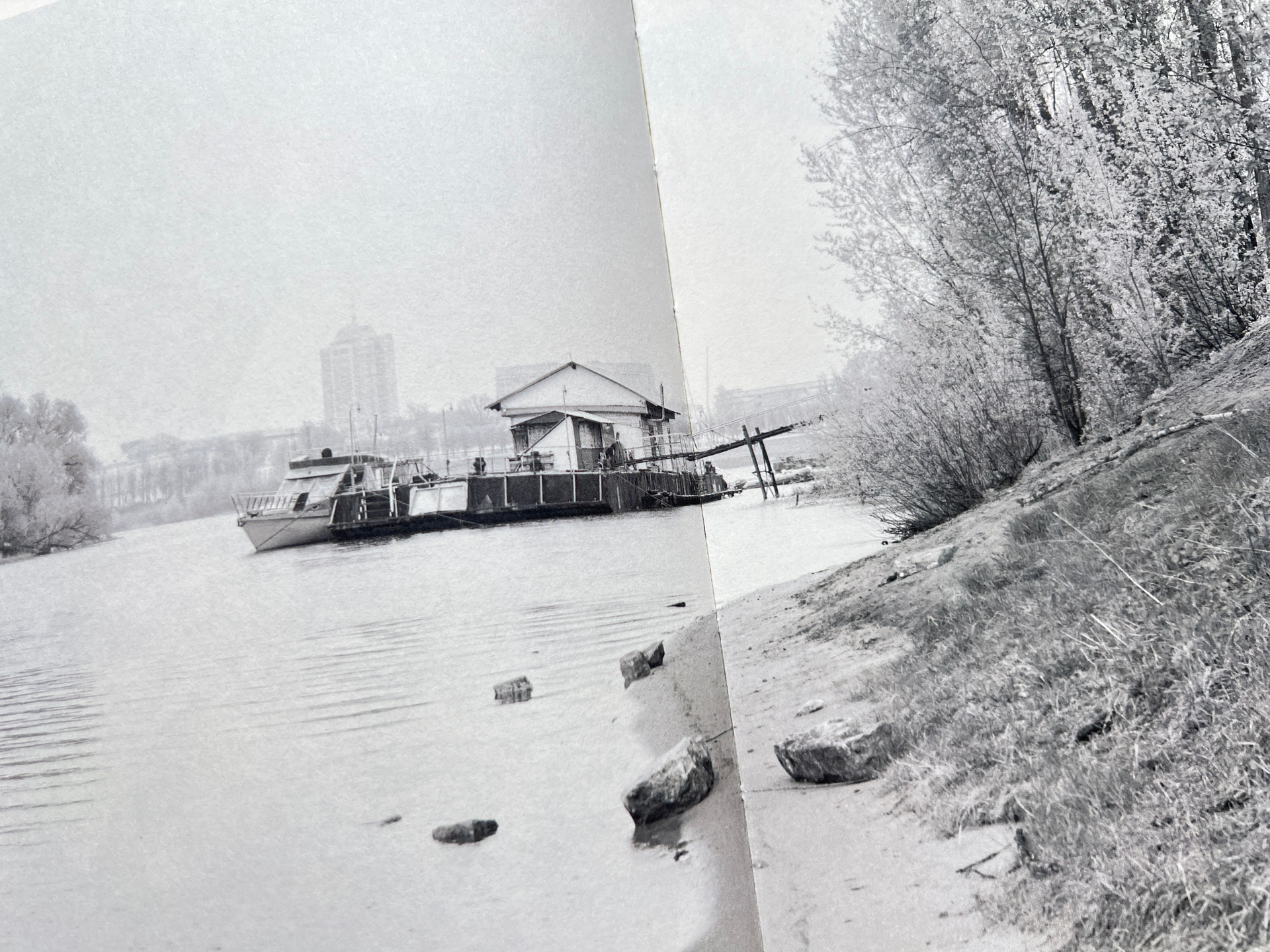
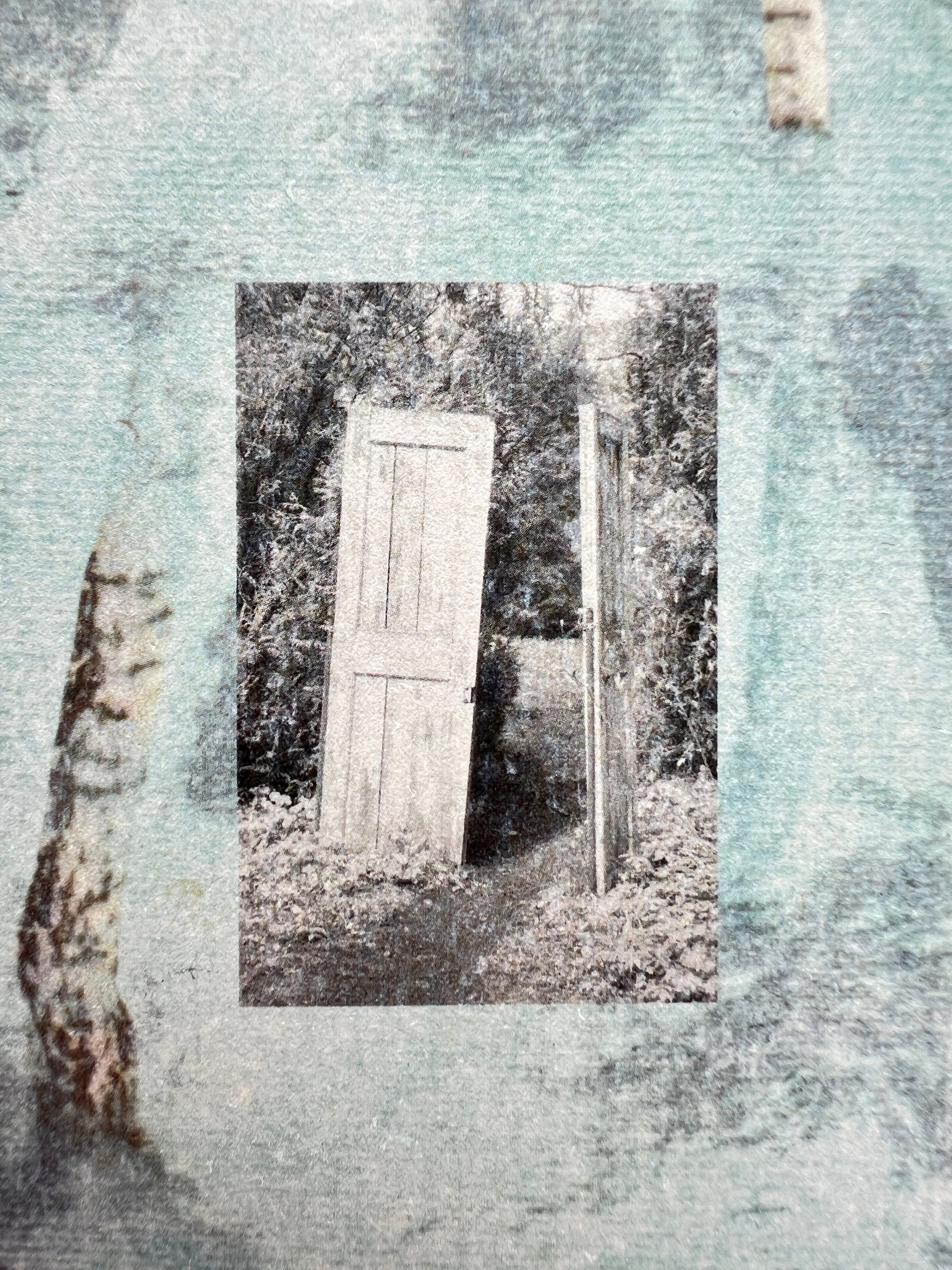



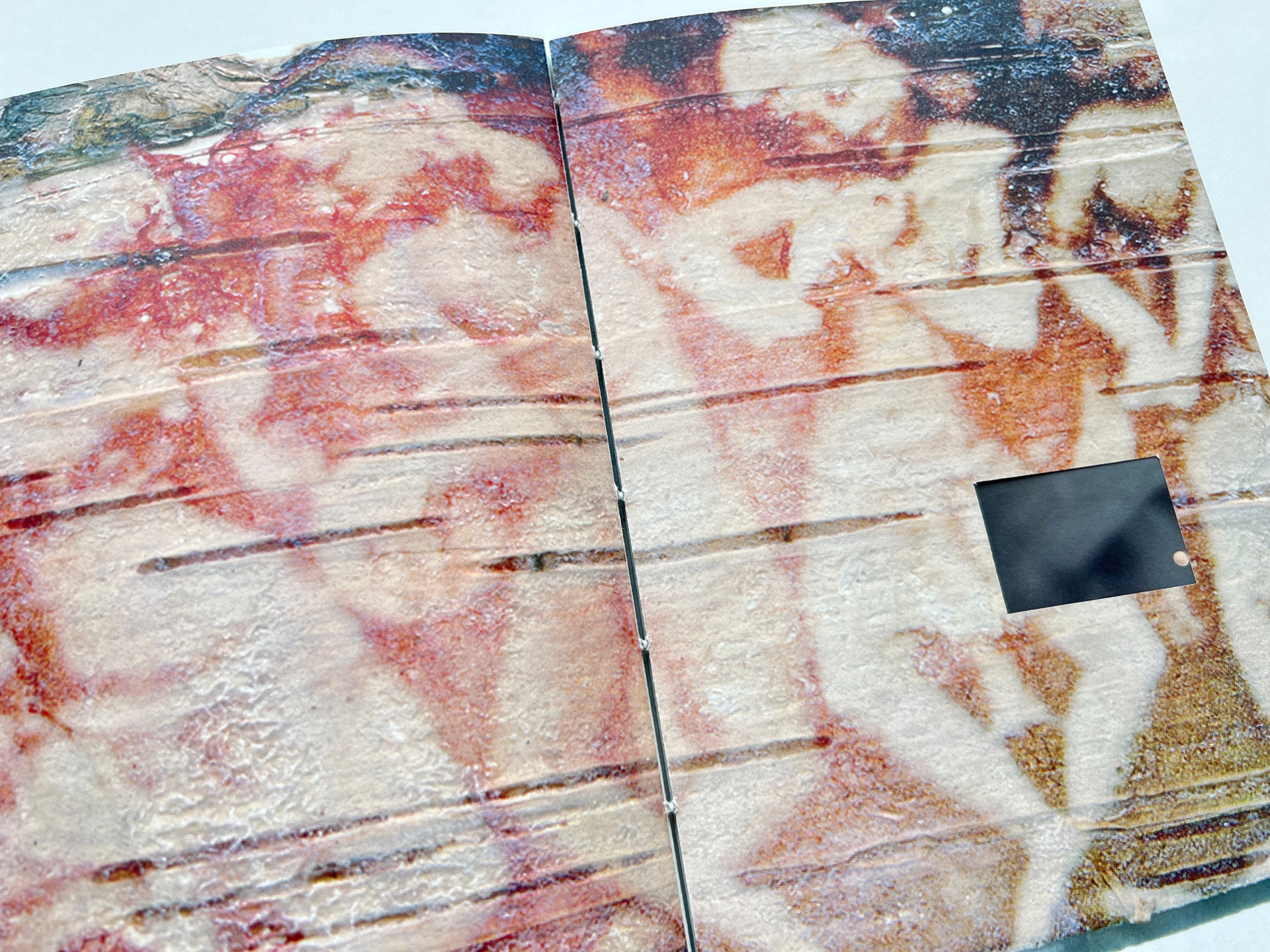
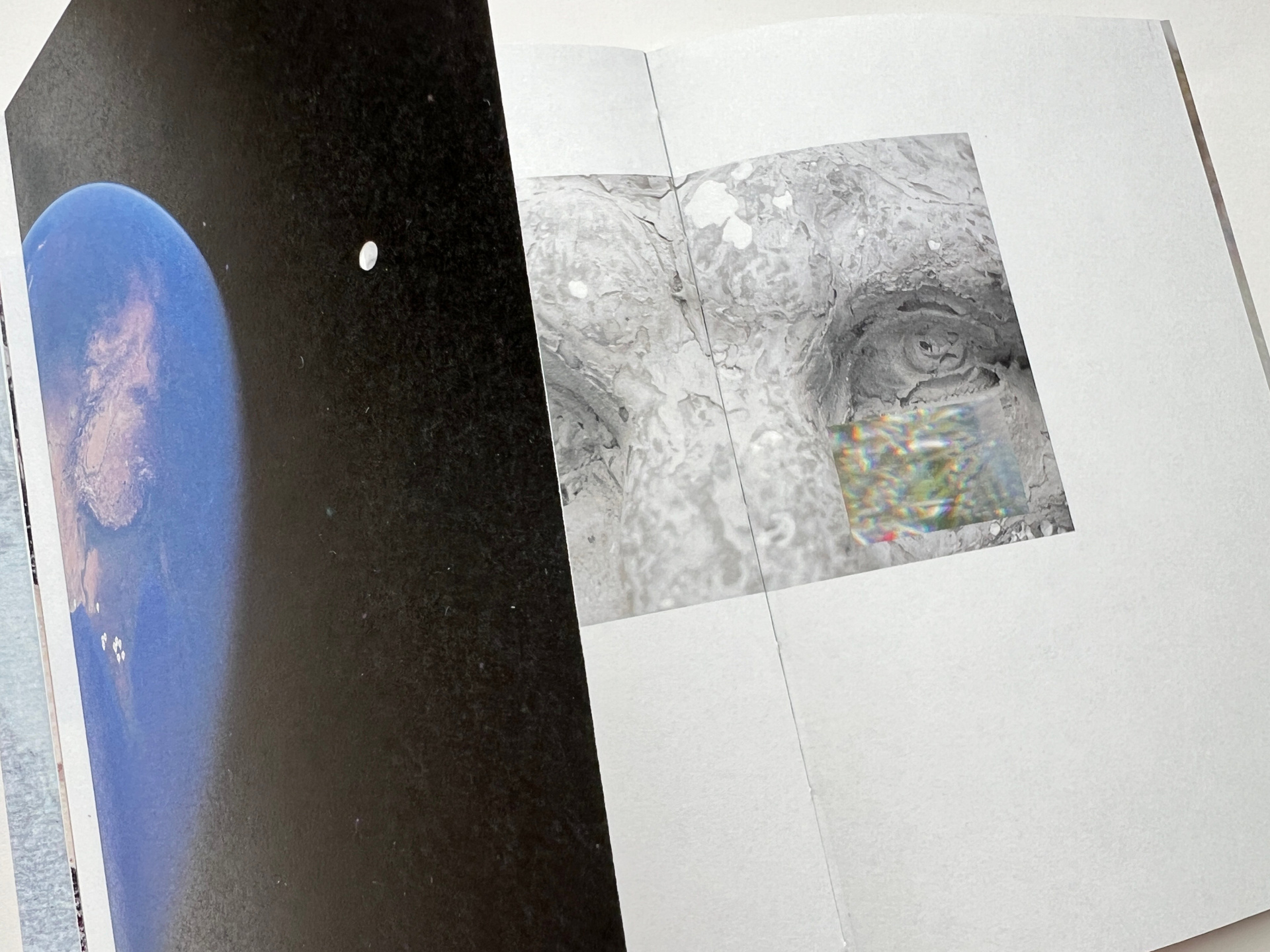

In 1468, the Tver merchant Afanasy Nikitin set out on a trading journey and reached the shores of India, where he spent four years. How Afanasy looked, where and when he was born, the circumstances of his death, as well as the purpose of his journey, are not known for certain. He never returned home, but left notes about his “sinful journey”.His notebooks were recopied, incorporated into chronicle compilations and, over time, became part of the history of the Russian state. In it, he appears as an epic hero, one of the first Europeans to visit India and describe his journey. “A Journey Beyond the Three Seas” tells of a journey full of doubts, losses and longing for a lost home. Most of the notes are devoted to India. Afanasy’s gaze notices the details. His stories are simple and human: what people trade, what and how they eat, what they feed horses, how they fight, who they sleep with. He records things as an eyewitness or as told to him by others. He travels together with “Indians”, reflects on faith, longs for Rus, and admires the sky.
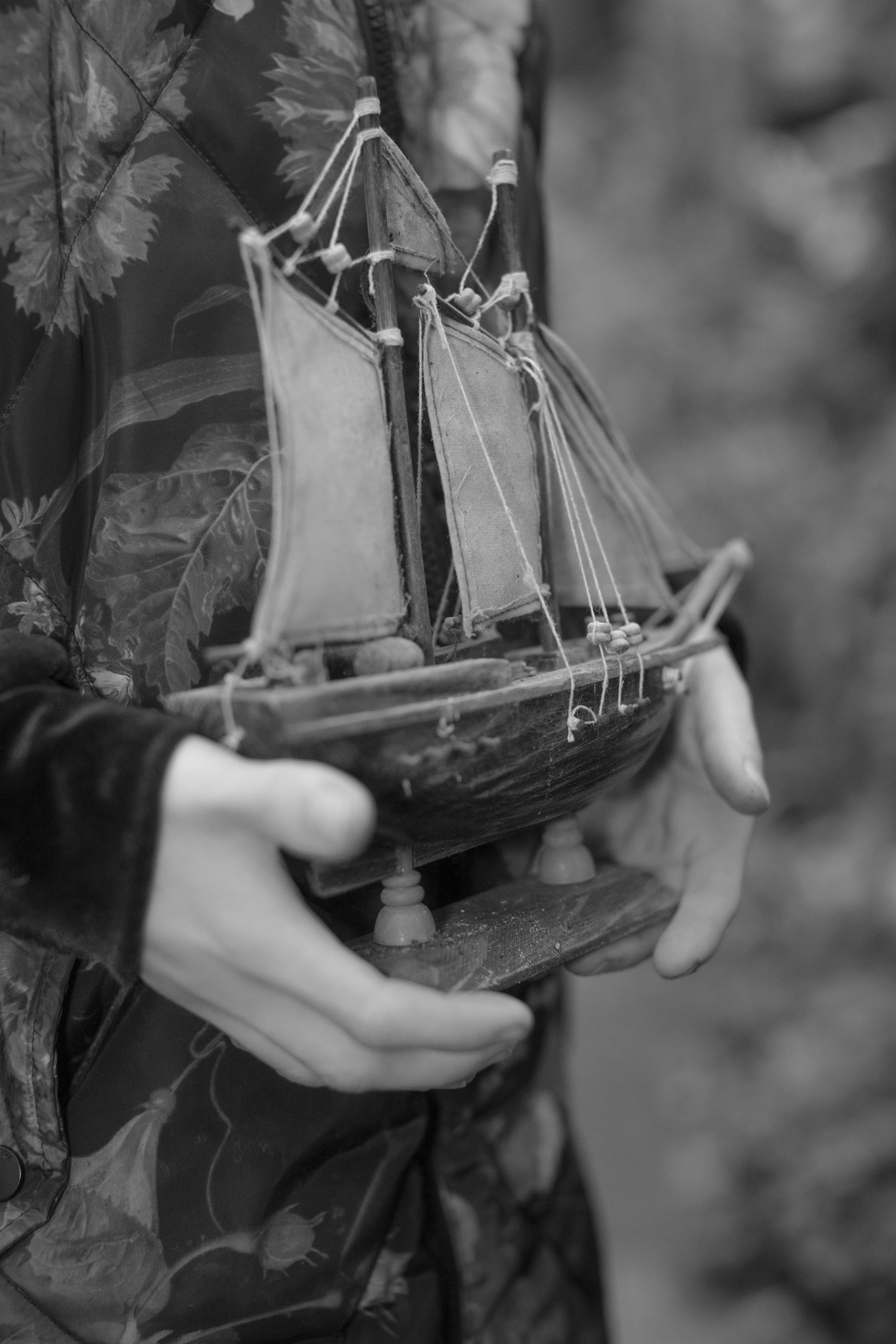
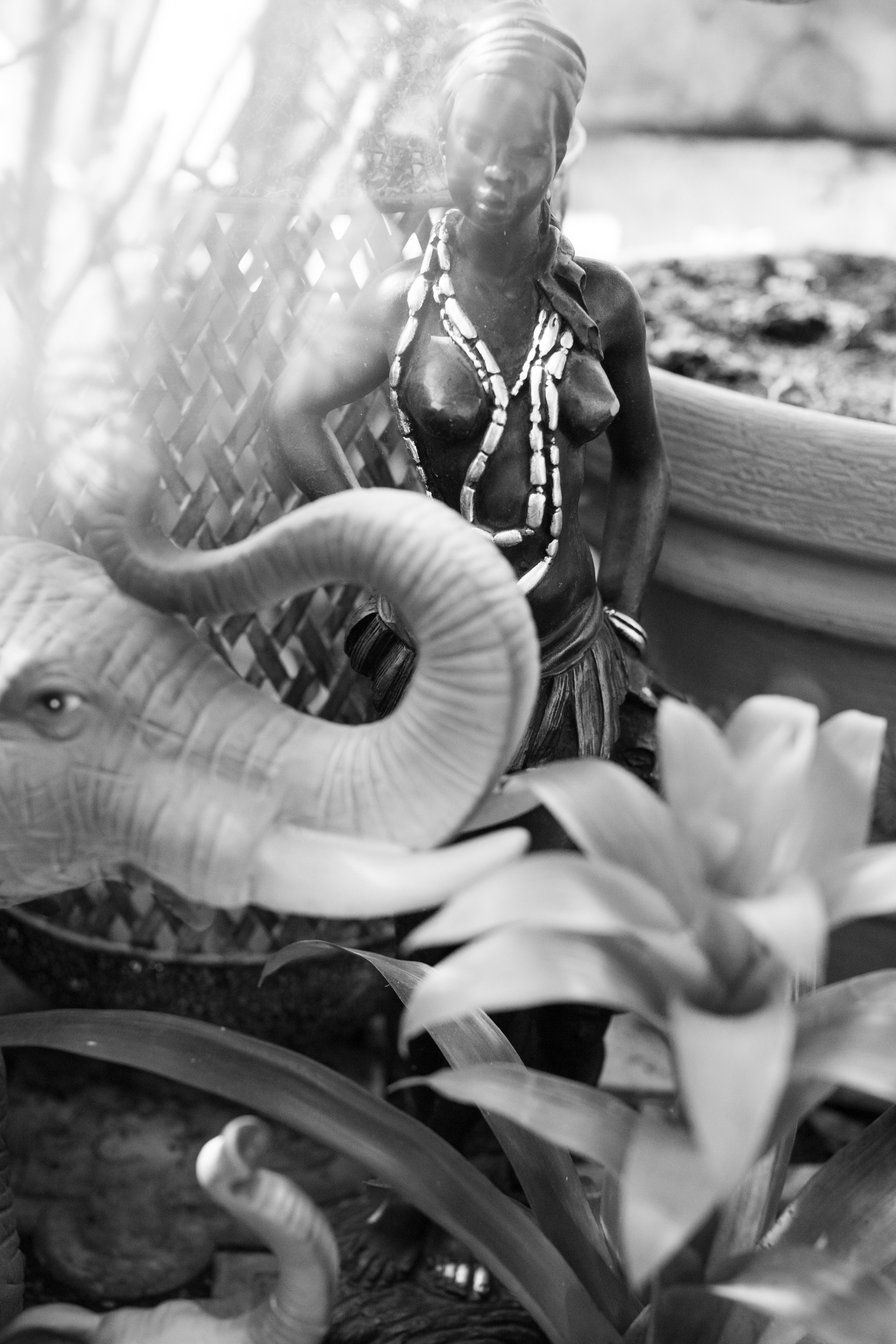
550 years have passed. I met Afanasy in the greenhouse of the Tver Botanical Garden. The garden, like Eden, was filled with beautiful tropical plants. Lions and elephants, angels and half-naked maidens dwelled here. Pearls were scattered beneath the palms and orchids. A ship with its sails unfurled stood ready to set sail. Afanasy tended to his paradise—watering and spraying the garden. The garden I found became a space of journey and at the same time the destination of the Tver merchant—a discovered earthly paradise, which on medieval maps was located between the Indus and the Ganges.
The past has not gone away, but has remained part of the present. The place preserves memories of a man who lived five centuries ago. I like to imagine that Afanasy did not perish near Smolensk, but returned unnoticed to Tver, to remain here forever. Admiring the history created by a stranger from the past, I see my own story, which will become someone else’s and yet another’s, and dissolve into the infinity of gazes.