
The destruction of the relict boxwood groves in Abkhazia became the beginning of a long-term artistic exploration of the history of a place, family, losses and discoveries.
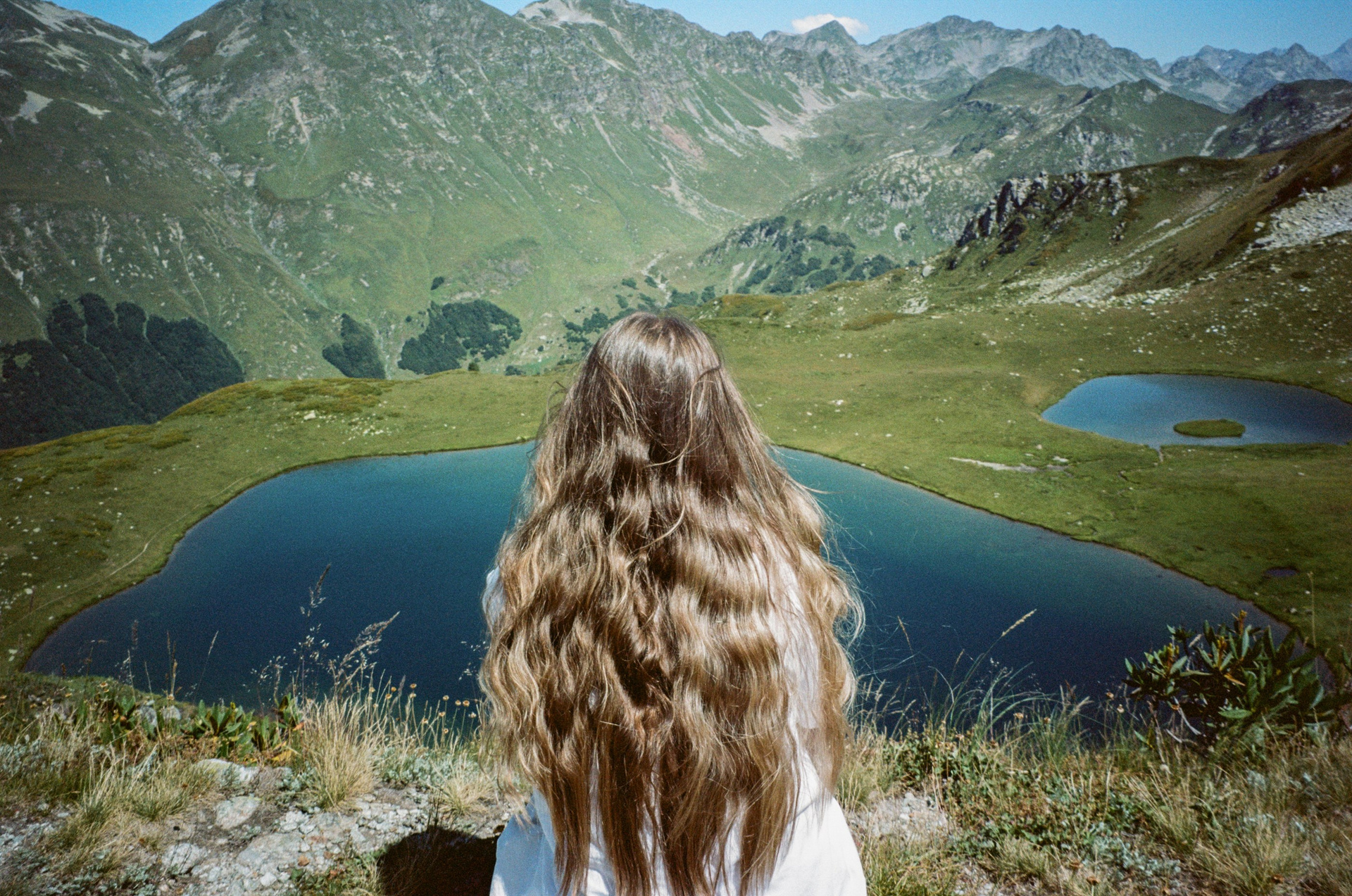
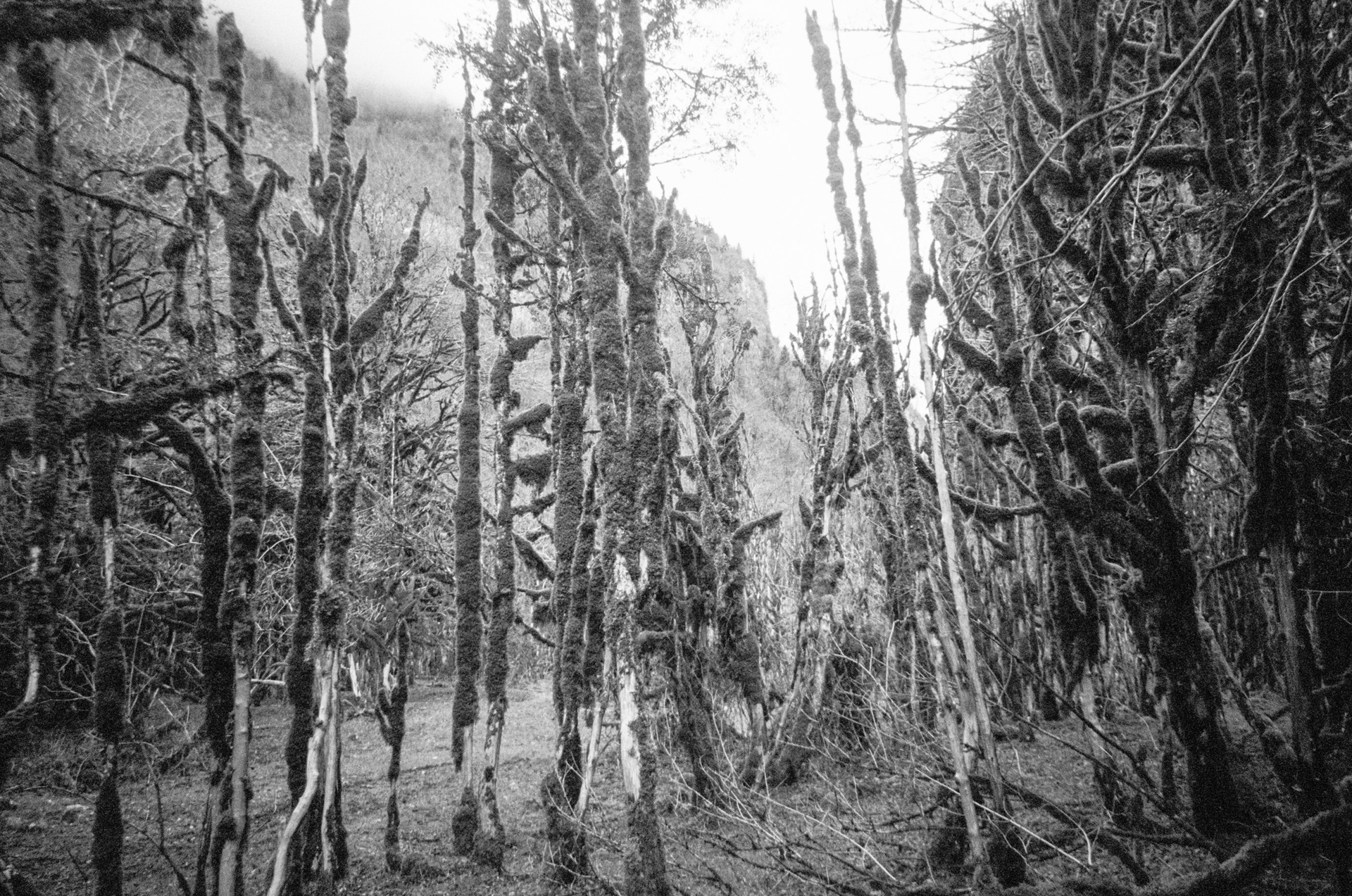
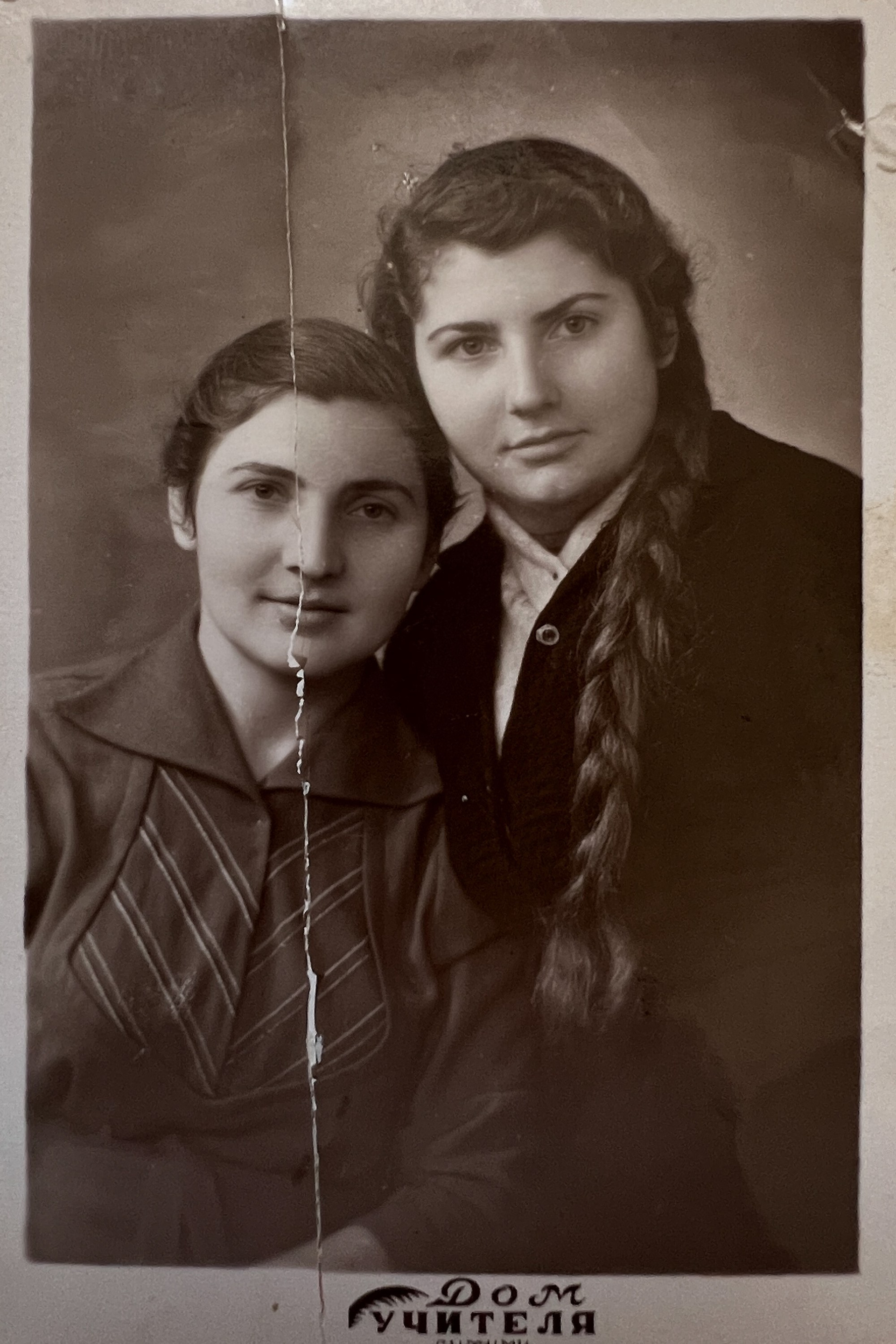
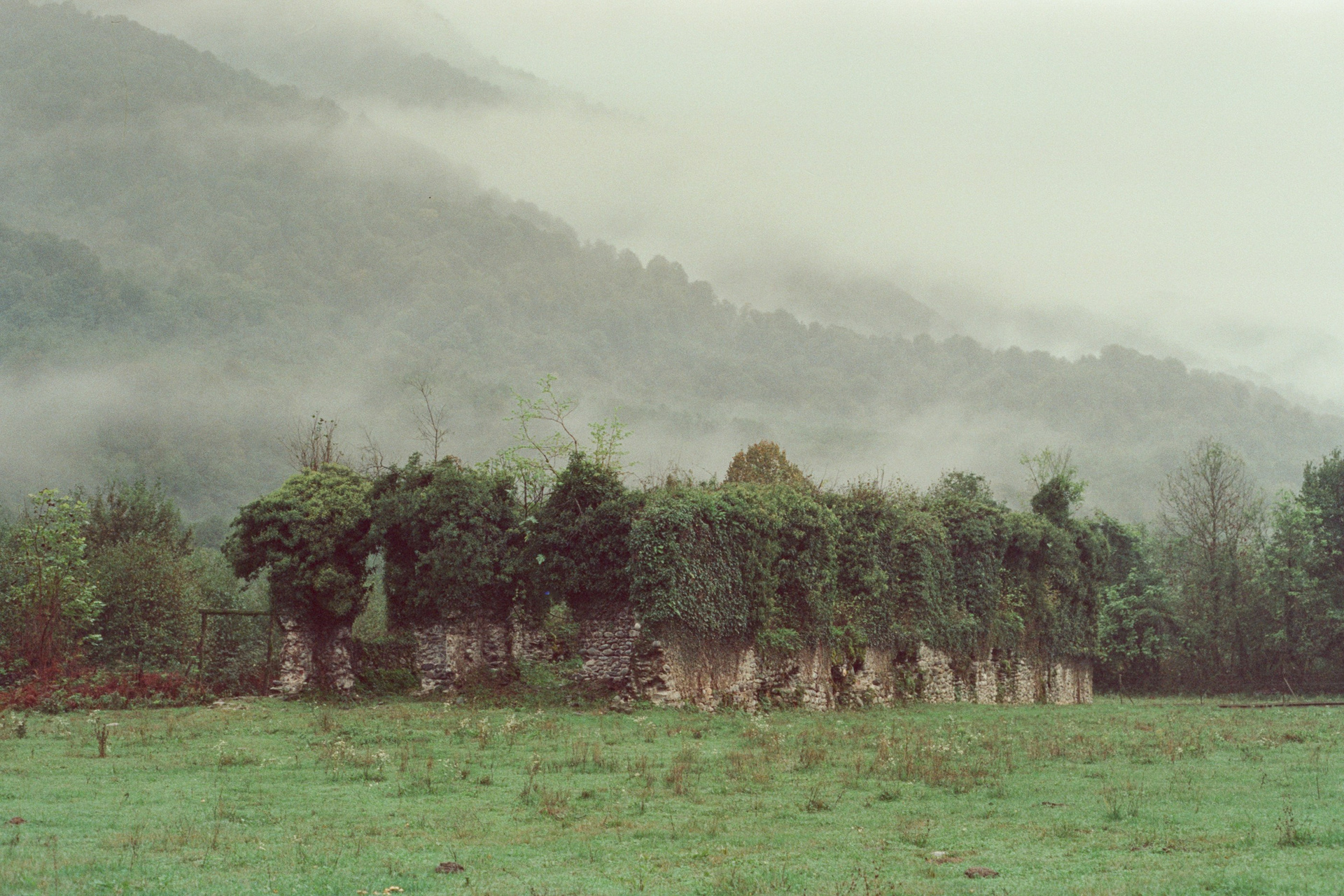


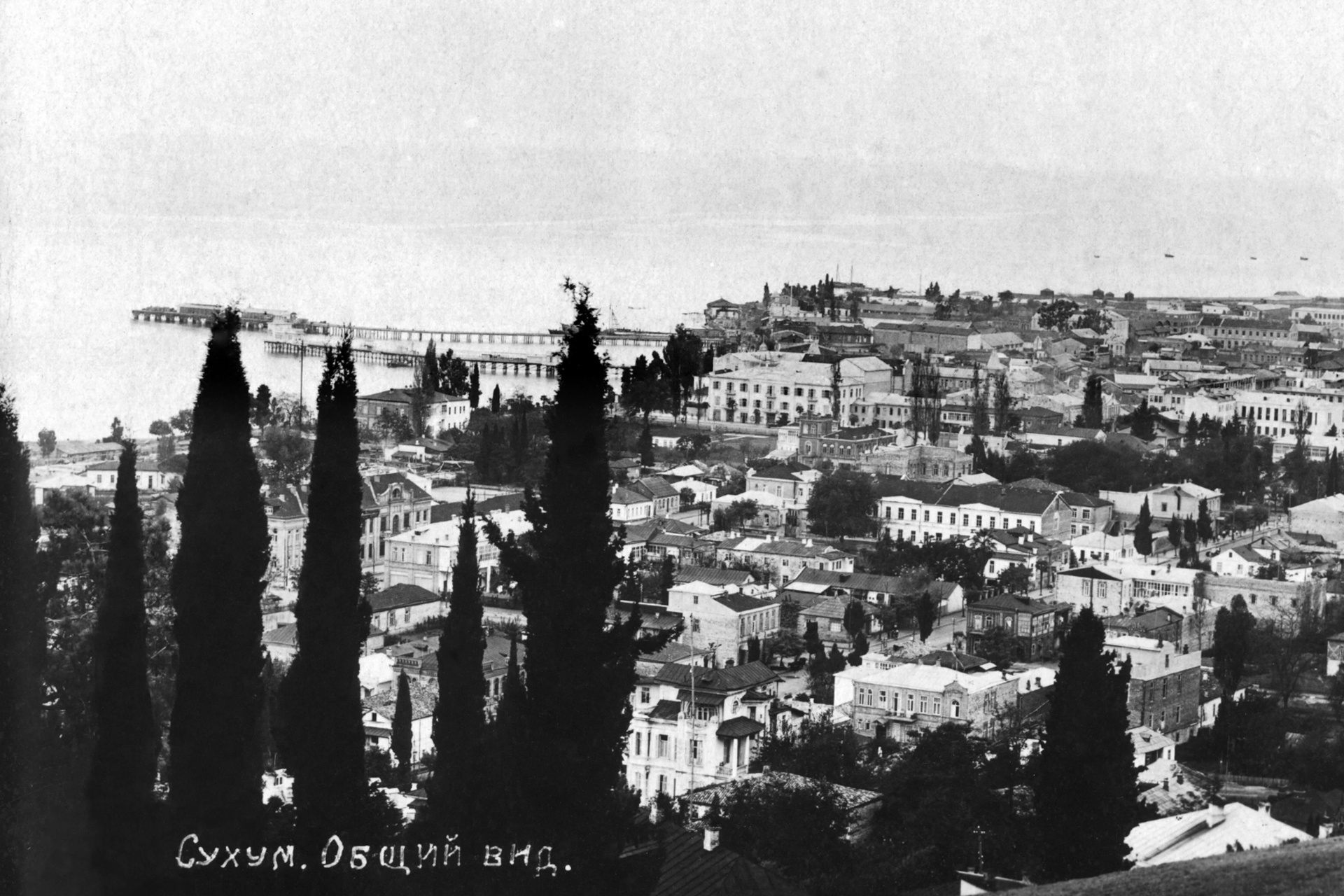
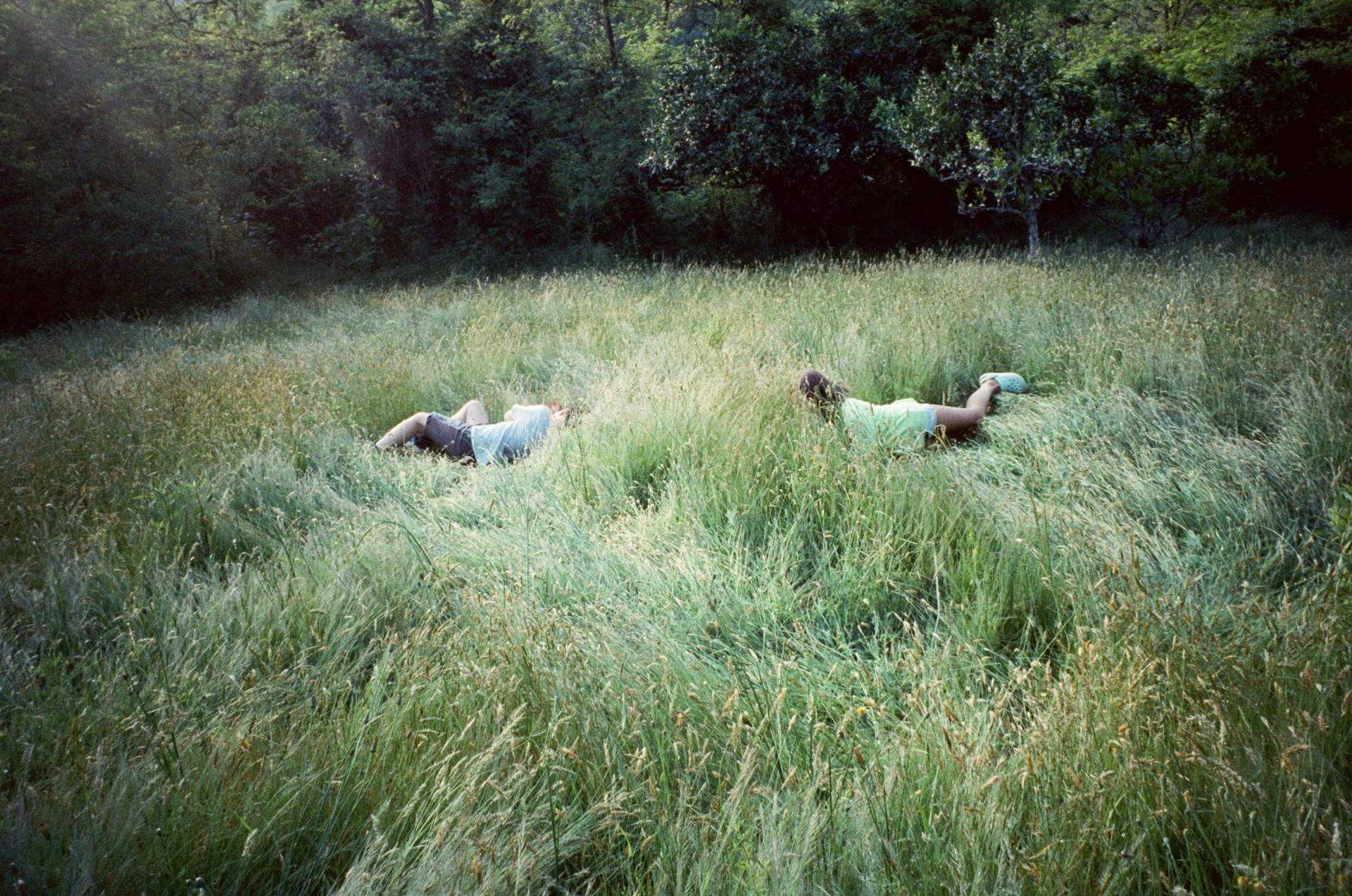

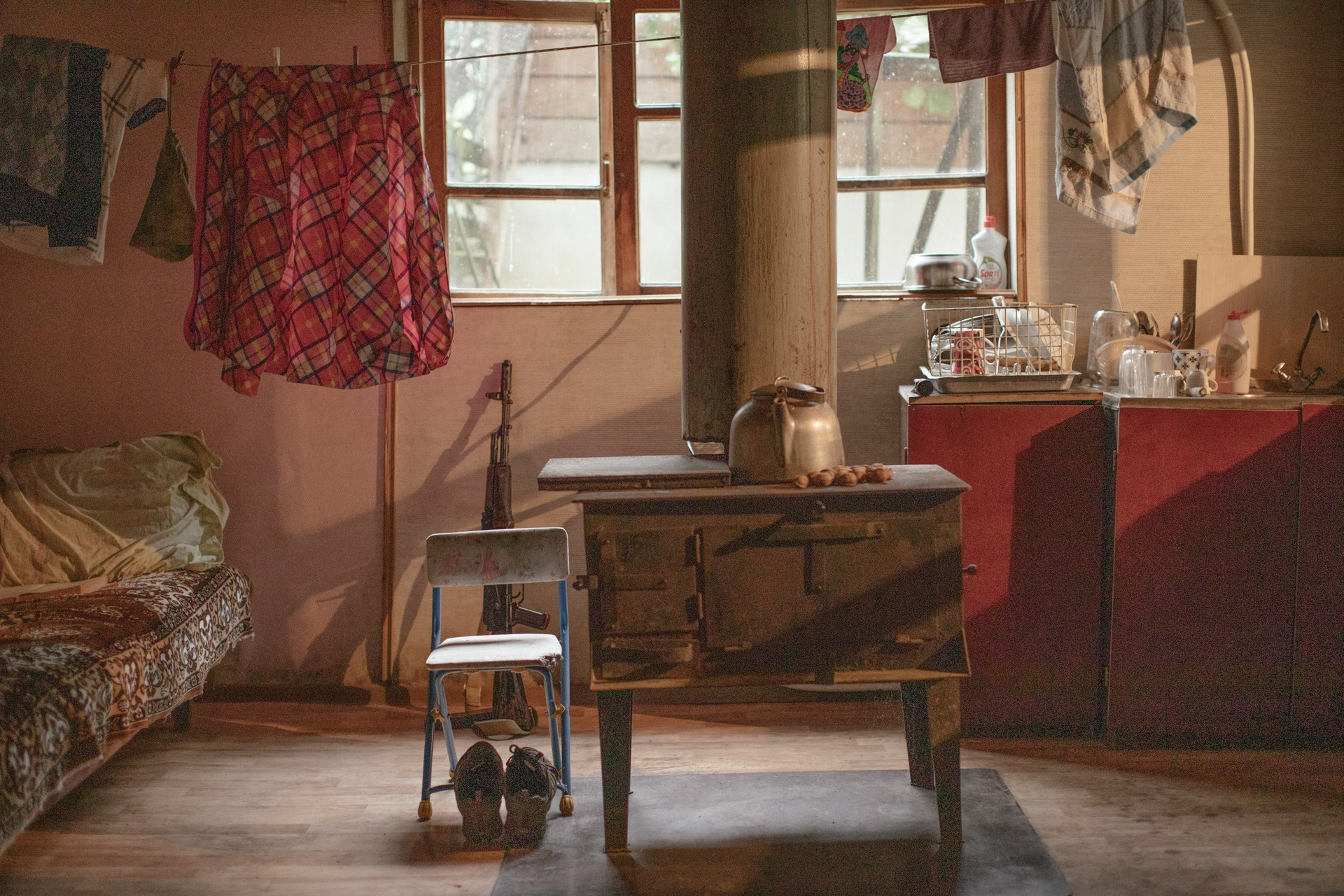

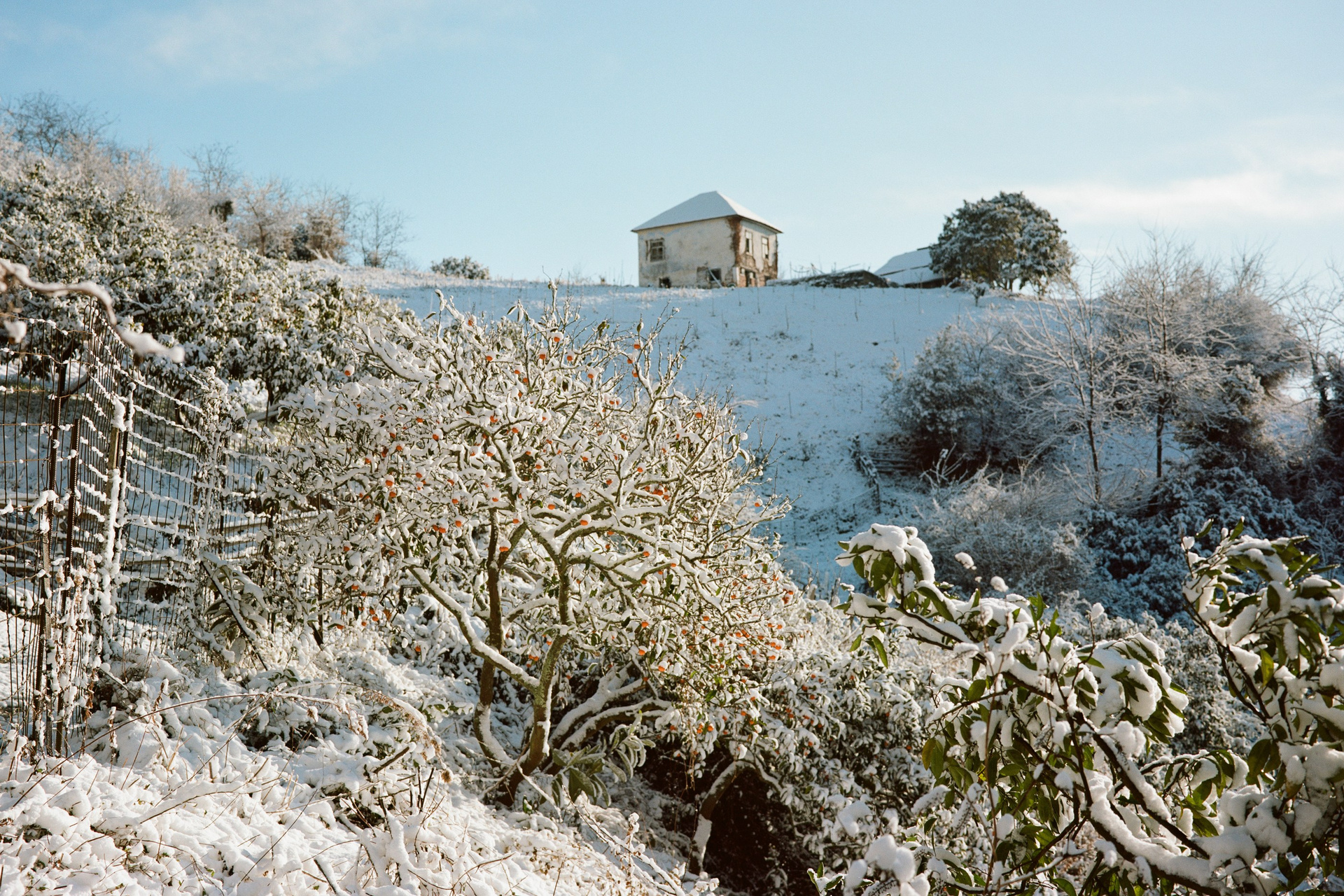
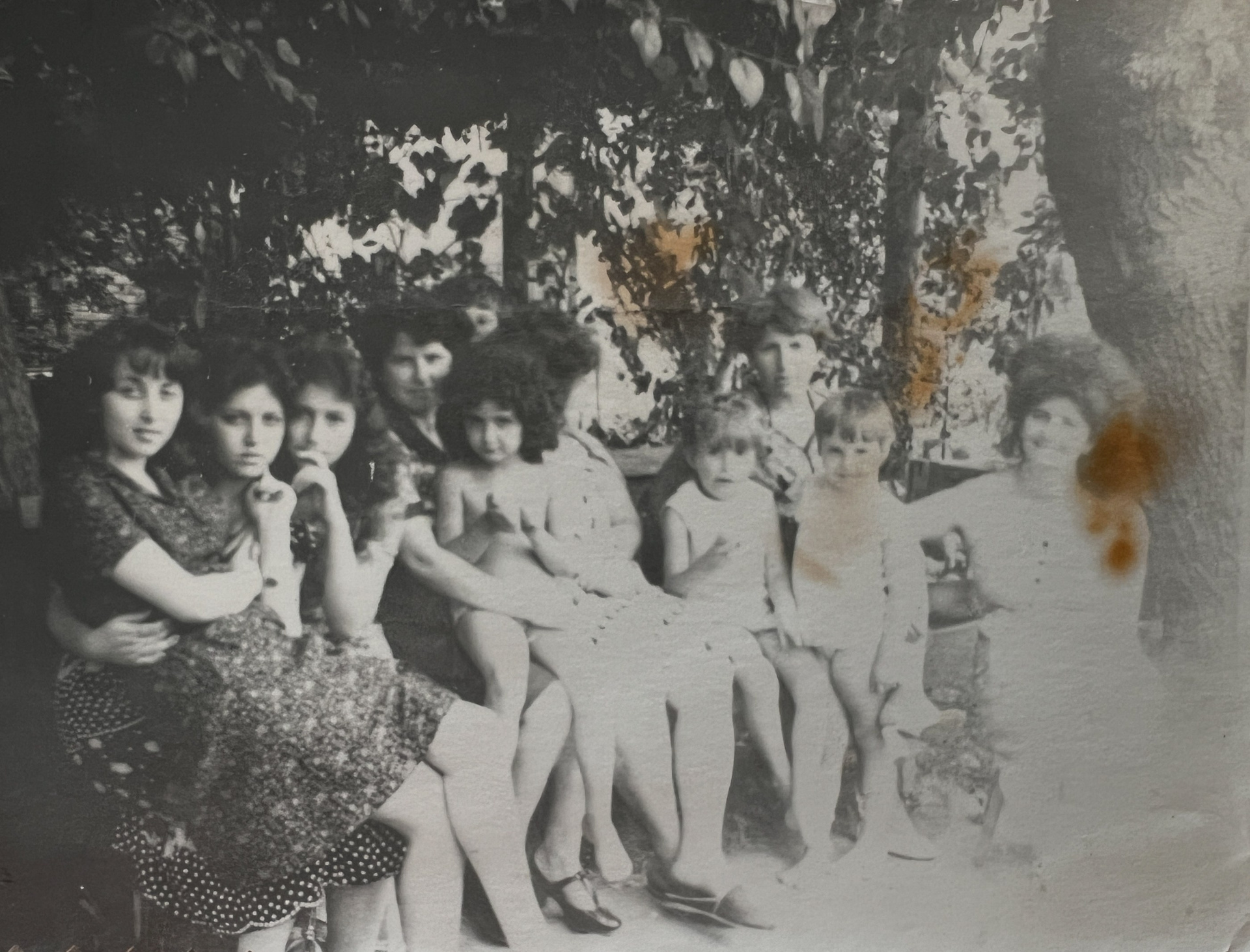

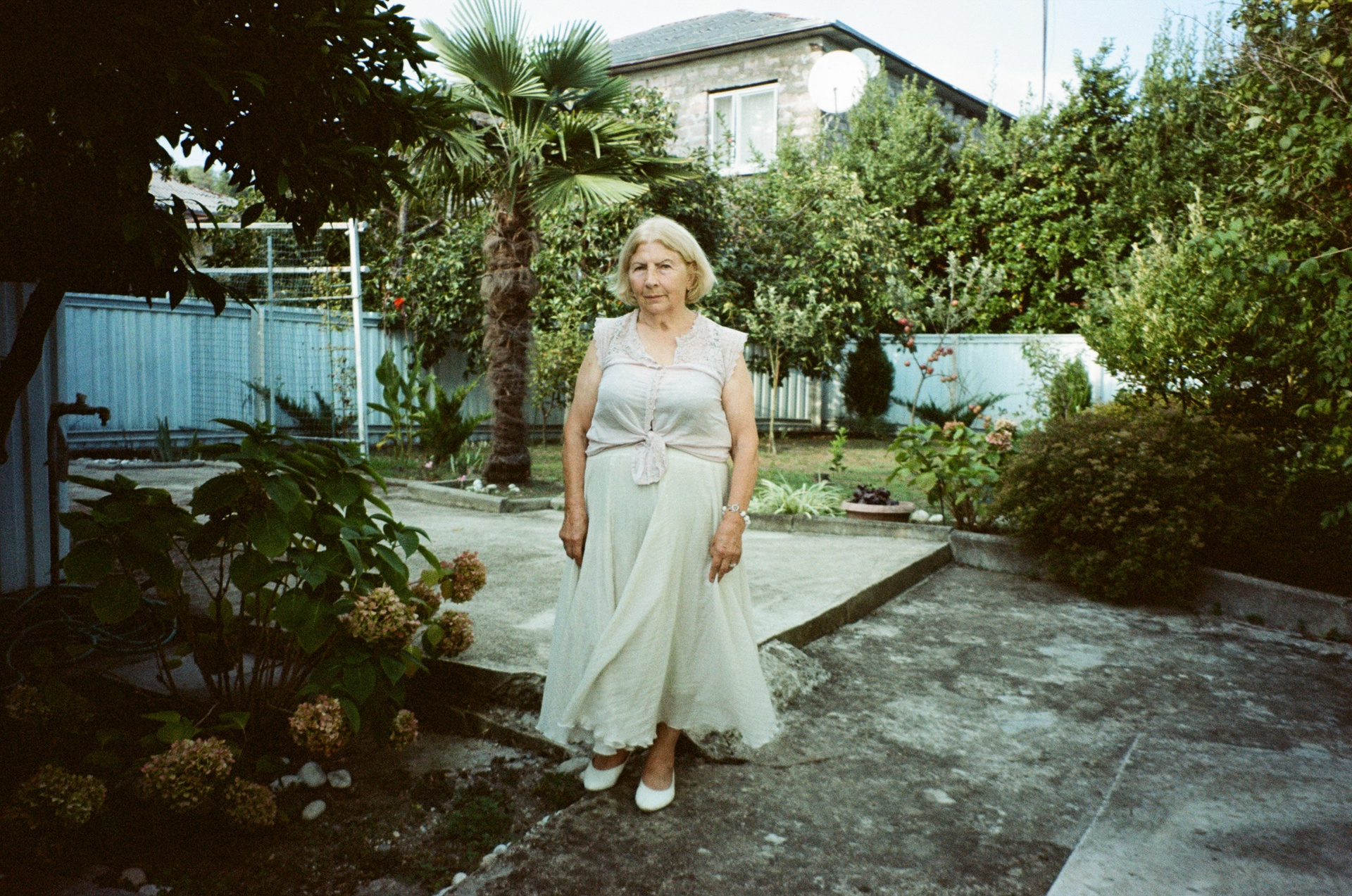
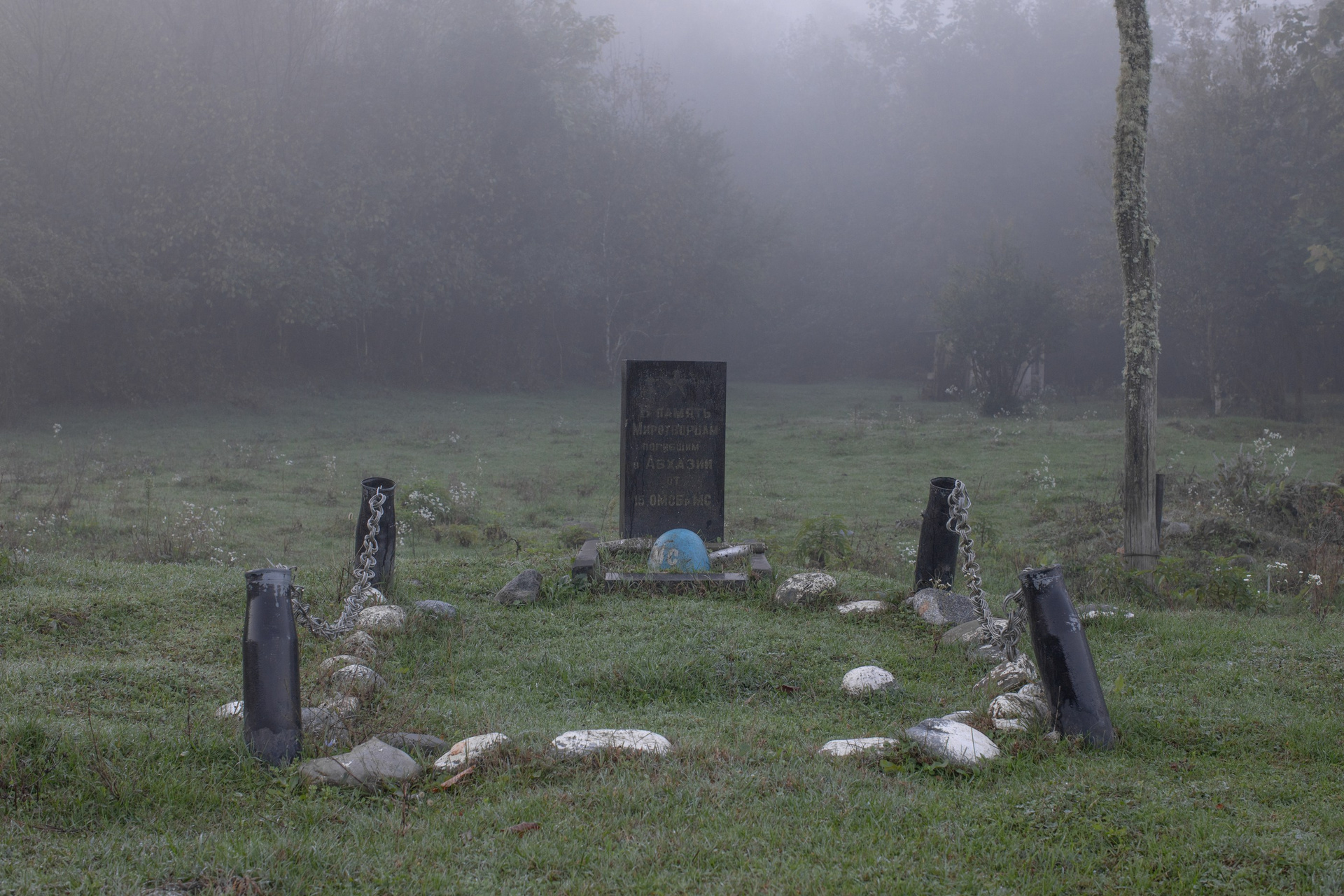
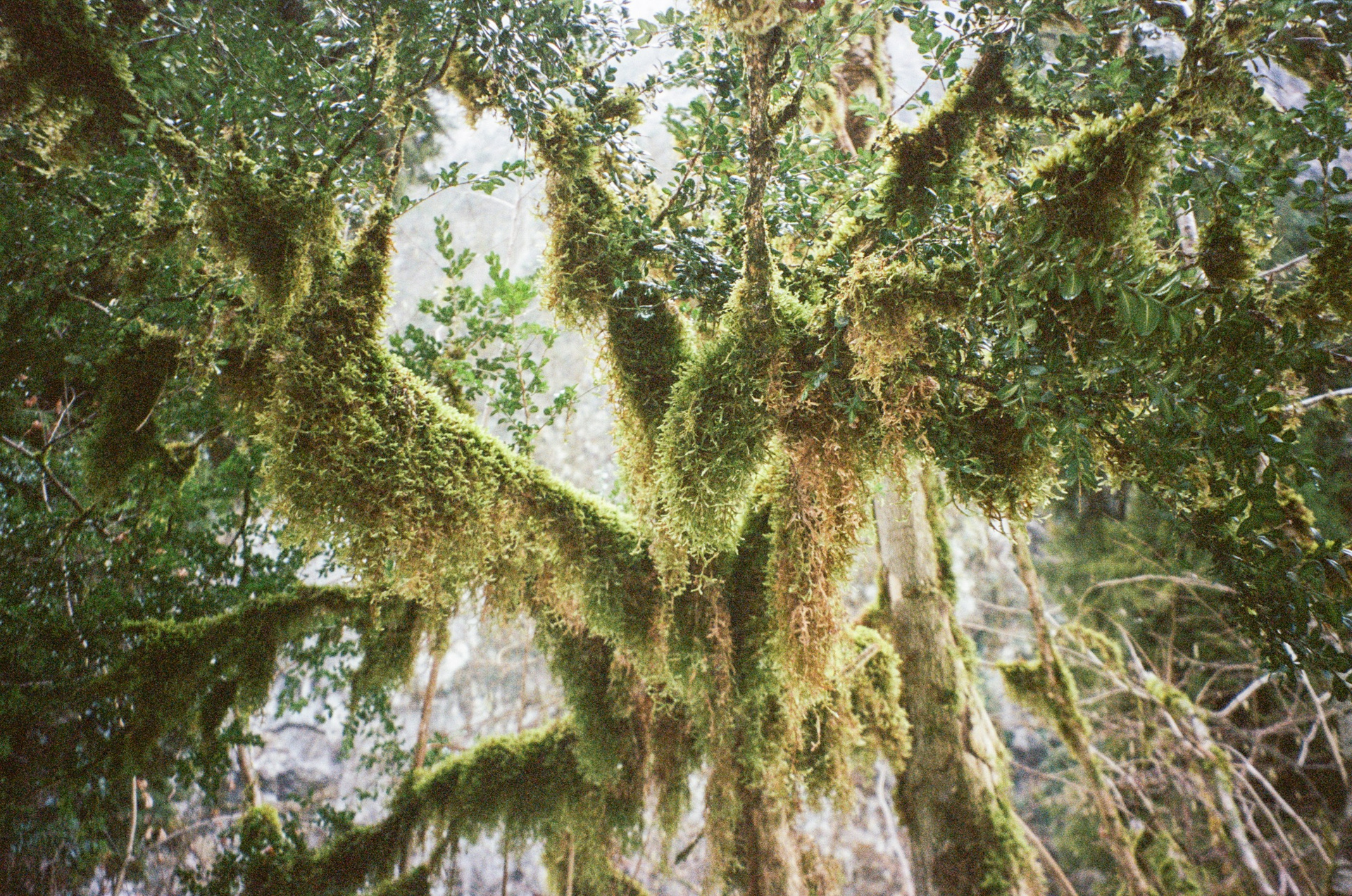


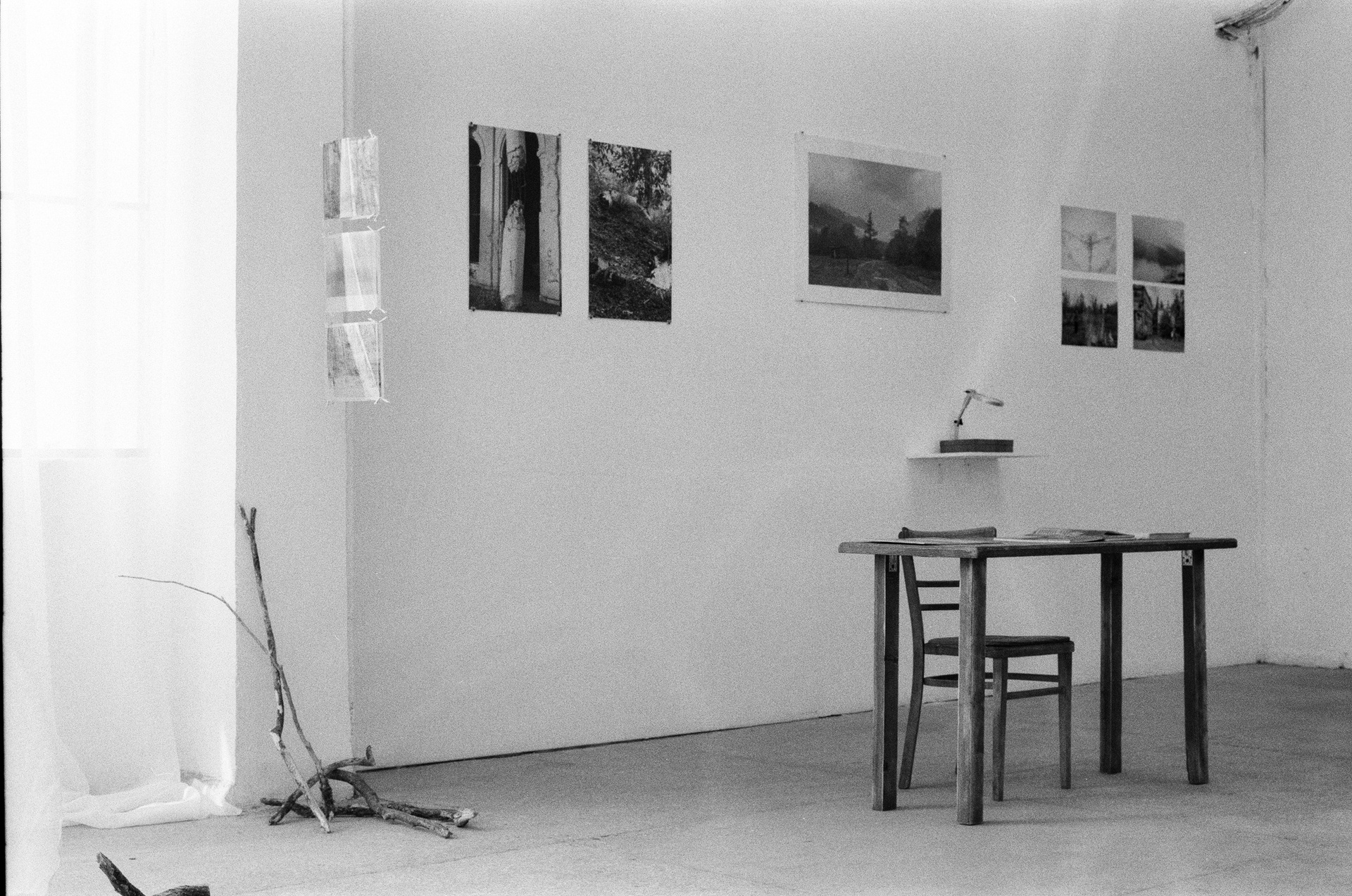

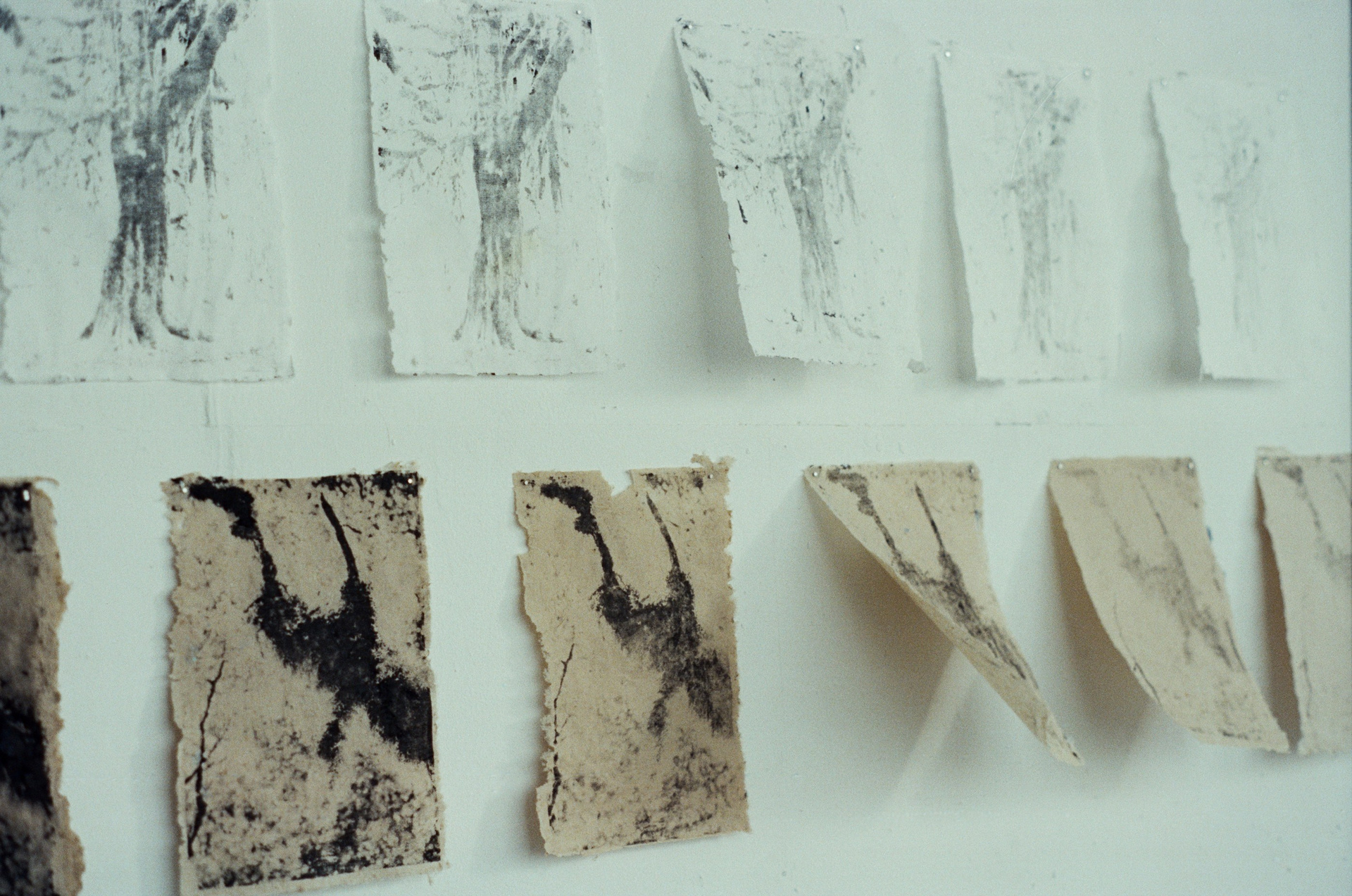

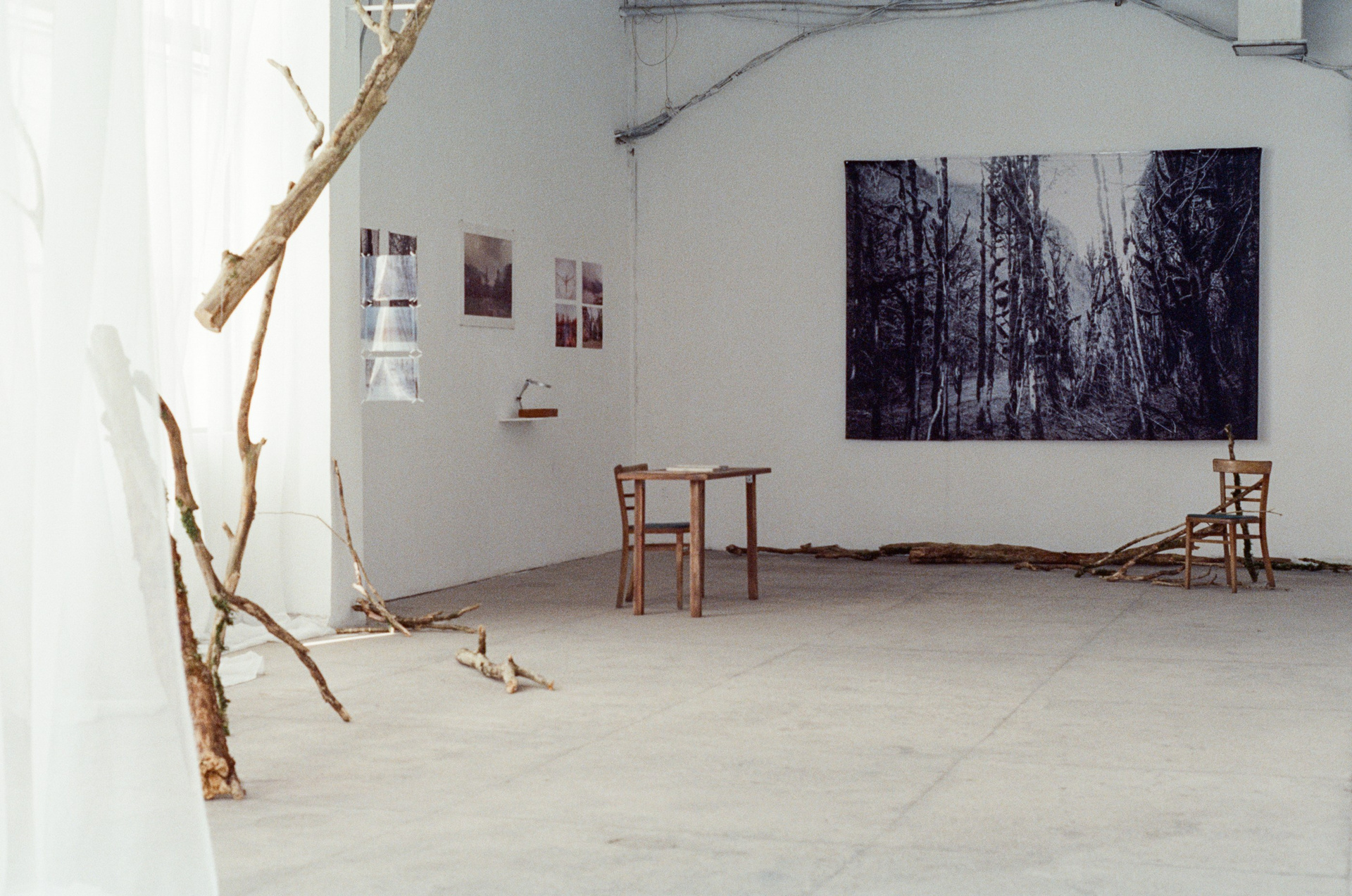




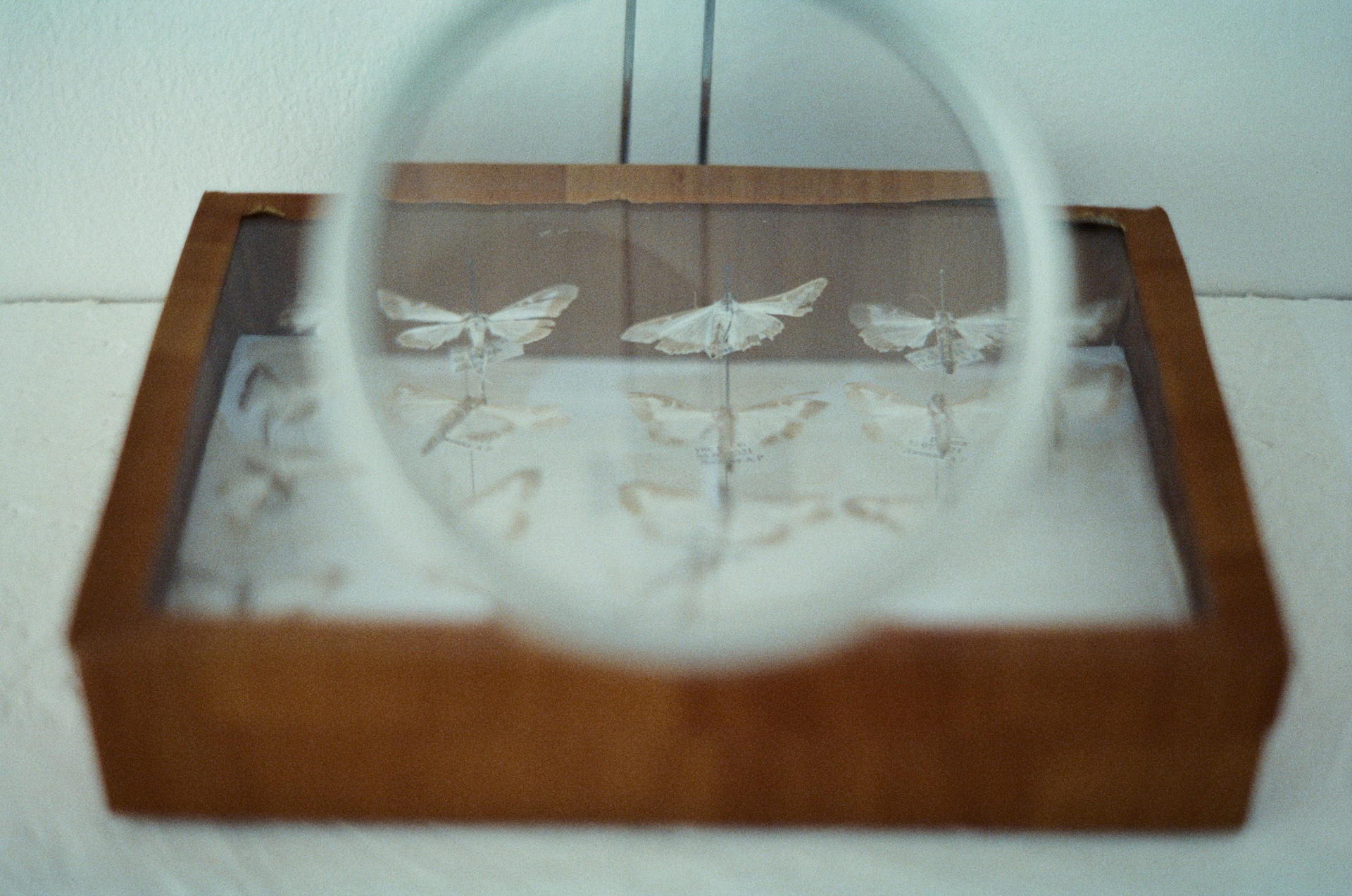

Clouds lie over the mountains. Beneath them is the forest. Oaks, beeches, and chestnuts grow in the upper tier. Beneath them, along the streams, boxwoods form shady groves. Dry white trunks are covered with moss—it hangs from the trees in long braids. The boxwood trees are dead. This is Abkhazia. Ten years ago, an ecological catastrophe occurred here—box tree moths destroyed the relict boxwood groves. It will take several hundred years to restore the forest. My family lives here. This is a place that does not exist on most maps of the world: a disputed territory, a land between two empires. Times of peace give way to times of war. The last of them ended 30 years ago. Is this a sad place? No. Here, life triumphs. There is something liberatingly wild about ruins overgrown with forest. As if all attempts at crude human intervention had ended in failure. I look at the women in my family. Every day, Mom goes out to work in the garden, my nieces are growing up, we meet with our sisters. Times of joy give way to times of sorrow. The branch of life grows green. In endless birth, we pass into the future the gift once received from our common foremother: tender strength, a warm gaze, co-being. Inside the clouds, a fine rain falls, the earth gets wet and becomes loose, making it easier to cultivate the garden.